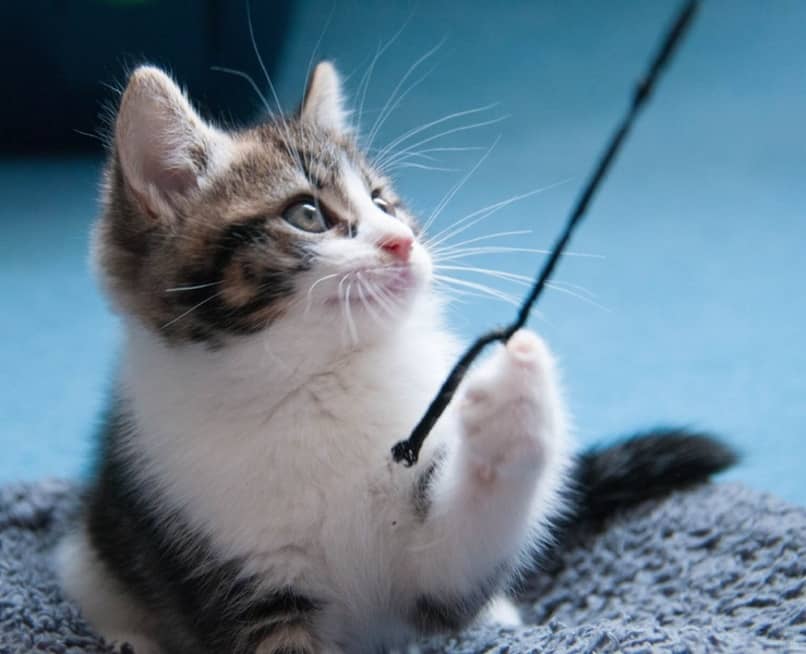
Are you searching for a high-quality cat tree that is best suited for your cat? KittyNook shares some ideas for finding a cat tree that both you and your feline will delight in!
When you shop online, you will discover the overwhelming amount of products available that makes it challenging to pick an ideal feline tree. There is a wide range of sizes, materials, and features to choose from. Do not fret! After reading this blog, you will be more knowledgeable about feline trees and will be able to choose a suitable one for your cat.
The Importance of Having Cat Trees
Cats like to stay in high places, and yours is no exception. Not only does feline trees give your cat an excellent place to scratch and climb, they likewise give your feline the opportunity to exercise and sharpen its claws. A feline tree can similarly refrain your cat from scratching off-limit areas like your furniture.
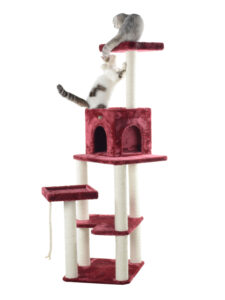
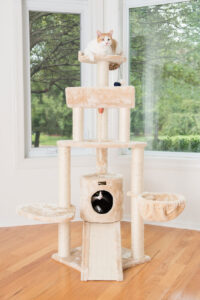
But what is a cat tree? It is equipment for pet cats to climb up, perch, rest, play, and scratch on. A complete and fully functional cat tree comes with a scratching post, a secure base, and a place to rest on.
How to Choose an Ideal Cat Tree?
Typically speaking, the factors you need to consider in finding a suitable cat tree are materials, size, appearance, the number of cats, and budget constraints. You likewise need to consider your cat’s size, personality, and habits. It would help if you remembered some notable things when getting your cat the best cat tree.
Here are some factors that to keep in mind when choosing the right cat tree:
Your Cat Tree Needs to Have a Wide Base
First, your cat tree base needs to be sturdy enough to keep it from toppling over or wobbling as your furry baby climbs and plays on it. If it does tip over, your cat will not wish to use it anymore; worse, they may be seriously injured. Although most cheap feline trees could be enough for a tiny kitten, think for the long-term. Your cat will weigh anywhere between 7 to 20 pounds when it’s fully grown. Make sure your tree has a base that is sufficient and durable for the long haul.
Know Your Cat
When you pick a feline tree for your cat, you have to choose the appropriate dimensions. Your tree should not only fit wherever you are going to set it up, but it should also be apt for your pet cat’s size, whether they tiny are small ones or large breeds.
The platforms should be high enough for your cat to climb, and the apartment should be big enough for your cat to sleep in. Bear in mind to inspect the detailed measurement of the tree before you get it, especially when shopping online.
If your pet cat is peaceful and manageable, a simple cat tree with a post and a perch will be the best. The variety of pet cats you have is additionally crucial. A giant tower condo with many platforms and beds will undoubtedly be the best for a household with multiple cats.
Appearance Matters
The appearance is equally important as the size. The easiest type is small and also includes a damaging message and even a platform. By comparison, a more elaborate pet cat tree typically has a system for perching, a post for scratching, a cradle for existing or relaxing, and a residence for concealing or sleeping and toys for enjoyment.
High trees are better than ones because they are space-saving modern cat trees and will provide spaces for cats to climb up. The cat tree with a scratching article is highly advised, which is preferably made from resilient and rough sisal rope.
This will favorably protect your furniture from pet cats scratching since they have a better option. Likewise, the pet cat tree’s appearance and shade must match the décor in your house and your aesthetic preferences.
Feline trees should not be standing out as well as meddlesome. Black, gray, blue, brown, and beige are standard colors because these shades are similar to the cat fur and won’t look unclean when cat hairs accumulate.
Choosing the Best Materials
Cat trees are generally constructed from either solid timber, boards, textile, ropes, and rugs. Solid wood is more sturdy than the other.Boards are less durable but are economical. The surface of feline trees can be made from artificial fabric, rugs, or carpeting. The carpet is soft, and felines love this type a lot. Some kitties like to scratch on the carpeting and some felines rope. See to it that you know which one your cat likes before buying.
Security and Toughness
Security and durability are other crucial factors you should consider if you want an excellent cat tree.
Cat trees should be durable for long periods. Feline trees are not single-use, and they are places where your cats play, lounge, and sleep. Your cat will continuously play and also stay on it once they like it. If the pet cat tree is not durable, it will be a waste of money and a possible danger to your cat.
You need to check the feline tree’s load-bearing ability to see if it can bear your cat or cats. You can also situate the cat tree in a corner near a wall for more stability.
Budget Constraints
Except for the significant variables reviewed above, you likewise need to consider the price you intend to spend. Usually, a tiny good cat tree costs around $50 to $100, even up to $200 for big ones. Nevertheless, it depends on the quality of the cat tree.
A good-quality feline tree will not be inexpensive. Consider all the features and requirements adequately and get the ideal cat tree for you and your cat.
Some Additional Tips
If your cat loves catnip, you can get them curious about the feline tree by sprinkling it on the base and in some of the perches.
Keep in mind to clean up the pet cat tree routinely.
If you have multiple cats at home, choose a cat tree with numerous systems and condominiums to give each cat a room.
For clarification, cat tree, feline condo, cat tree tower, or cat apartments are terms to describe the very same product. We make use of the “cat tree” for uniformity and also simplification.
Cat trees are just tailor-made for feline buddies. Good quality cat trees can function well for a long time. Shop around and also select the best one for your cat’s personality, behavior, and also preference.
Picking the right cat tree can be a daunting task. You have to carefully consider what your feline’s needs and preferences are, while also thinking about your own requirements and limitations. If you live in a rented space with low ceilings and not so much room, you will obviously need to look at models that can comfortably fit in corners and are not too tall.
The good news is that cat trees are available in all shapes and sizes. Some kitten scratchers rise a whole 6” off the floor and there are skyscrapers that go up seven or eight feet in height.
The main job for your cat tree is to support your fur family. Their tree is a place to call their own where they can climb, scratch, snooze, and preside over their territory. This is important since cats needs stimulation to stay healthy. For you, the main job of the cat tree is to keep Kitty happy so they will become disinterested in scratching your furniture. Keep in mind that your cat tree is an investment piece that can last the life of your cat. So, before you buy your cat tree, let’s consider the needs of your felines and their lifestyles–as well as your own–before you make the big purchase.
1. Size Matters.
Do you have a clowder (that is what you call a group of cats), or just one, size huge, or even two growing kittens? Do you plan on expanding the fur family in the next few years? These matters influence the size of the tree you should buy. Next, take into consideration where you live. Do you have a spacious home with many rooms that can easily accommodate a tree that is both large and wide? If your space is unlimited and you currently have, or are planning to have numerous cats, you can go big. If not, smaller is better.
2. Holding Weight.
This number, found in product descriptions, determines how many cats your tree can accommodate. Multiply the number of cats you have times their weight. Don’t forget, if you have kittens they will soon become cats, so figure 20 lbs. each, which is on the average-to-high side. If your final number is less than the maximum holding weight, you are good to go.
3. Stability.
Once you assemble your cat tree and tighten the screws regularly, your cat tree should be strong enough to allow Kitty to run from across the room and scale the tree from base to tallest perch in seconds flat. This is great for the Zoomies. As long as the total weight of all feline occupants is under the designated holding weight, your tree should have structural integrity if it is from a reputable manufacturer.
4. Materials and Construction.
The best cat trees on the market will have solid wood bases which will contribute to their overall stability. The beauty of the cat trees, however, lies in the variety of coverings which can range from silky faux fur to cozy faux fleece, to luxurious carpeting. Additionally, you find that all-wood models that are built of polished soft wood–which is forgiving enough to allow little claws to safely climb. Pretty trees, like the ones at rosadeiventicattery.com are a great finish for modern decor. Depending upon Kitty’s preferences and 6 home’s decor, you can choose from colors and textures meant to blend neatly into most environments.
5. Scratching Posts & Cool Features.
A good cat tree will have perches, platforms, and any number of the kitty distractions: hideaway condos, running ramps, hammocks, snoozing baskets, hanging rope toys, and more. When you find scratching posts covered in sisal, buy that tree because it is the best scratching material you will find. It will keep them off the furniture while providing their claws with as much scratching fun as they can handle.
6. You Get What You Pay for.
The best cat trees cost a bit more than the competition because of their premium materials and durable construction. Bargain brands may look similar but cost less because they are not built of wood, which is safer for feline claws that other synthetic materials.
If that is true, then it is pivotal to keep the stomach happy. And in order to do that, we need a nice kitchen where we can whip up delicious meals to amaze and satisfy our stomachs.
The kitchen is undoubtedly the most important room in your home. It is the place that nourishes your body and prepares you for the ordeals of the day. Therefore, it is only fair to regard this room with honor.
As homeowners, you may have noticed that when you check out a real estate property, it is the kitchen that draws you in immediately. The floor plan, the functionality, even the color of the walls and wood cabinets all affect your decision. This space signifies warmth and love and if it is well-planned, it immediately makes you feel at home.
This is because this room reminds you of having meals for the family. It is where your mother cooked you meals when you studied or worked till late, or where you laughed and talked to your friends about the new adventures of your life.
When Houzz surveyed 1,337 homeowners last year about their kitchen remodeling ideas and projects, they found that the median spent was $11,000, though for a complete remodel – which includes the replacement of all cabinets and appliances – costs can climb up to $33,000. That means that for interior designers and contractors, you can cook up quite a bit of business in the kitchen.
No matter what memory it triggers, the kitchen is what transforms a piece of real estate into a home.
That’s why we compiled some ideas that you can implement when designing your new kitchen or remodeling it. Even if you plan on changing the floor plan for the entire kitchen or simply add some stainless steel appliances to add to its functionality, a kitchen makeover is definitely a great investment.
10 Best Kitchen Remodeling Ideas To Renovate Your Home Kitchen:
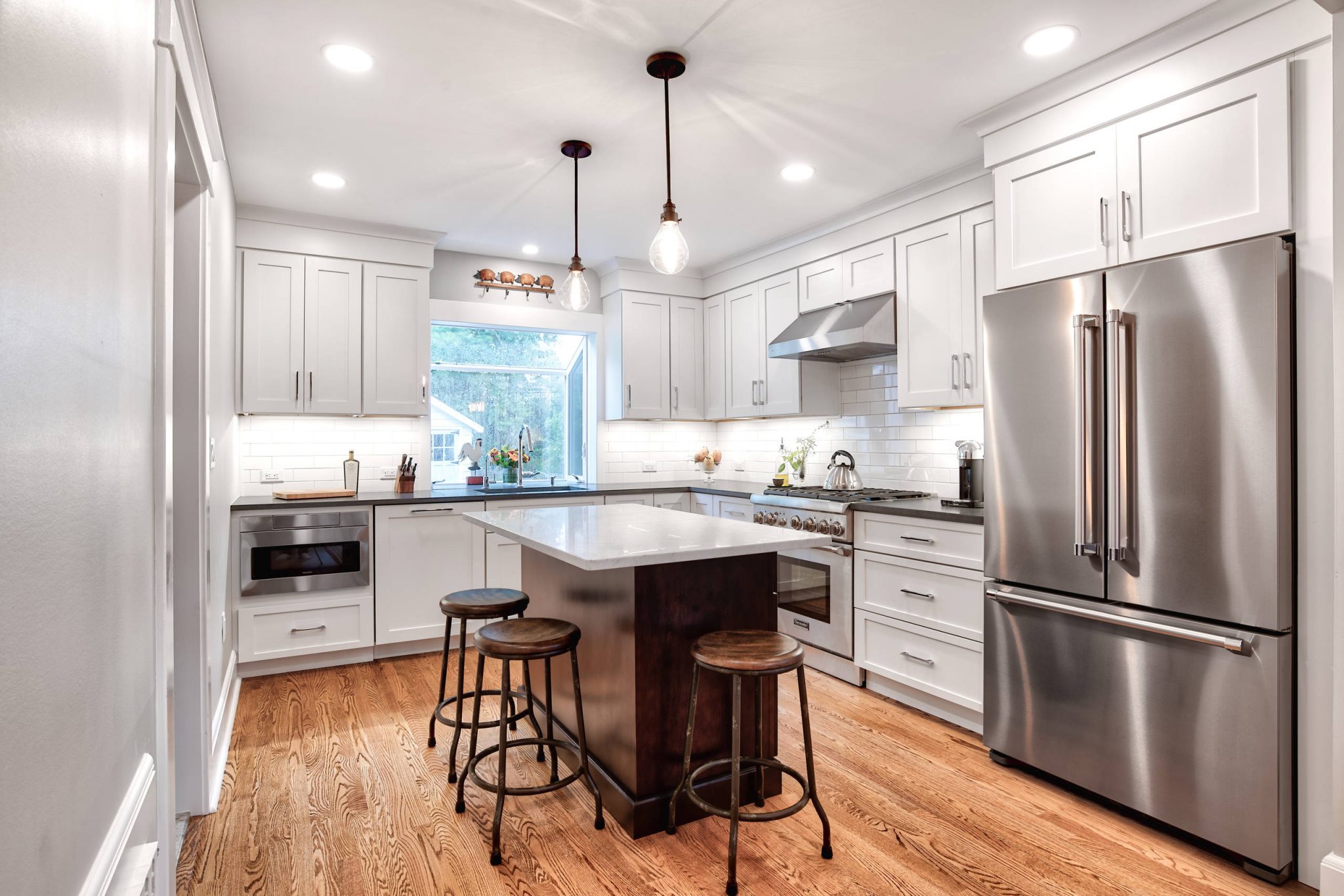
1. Use bold cabinet designs
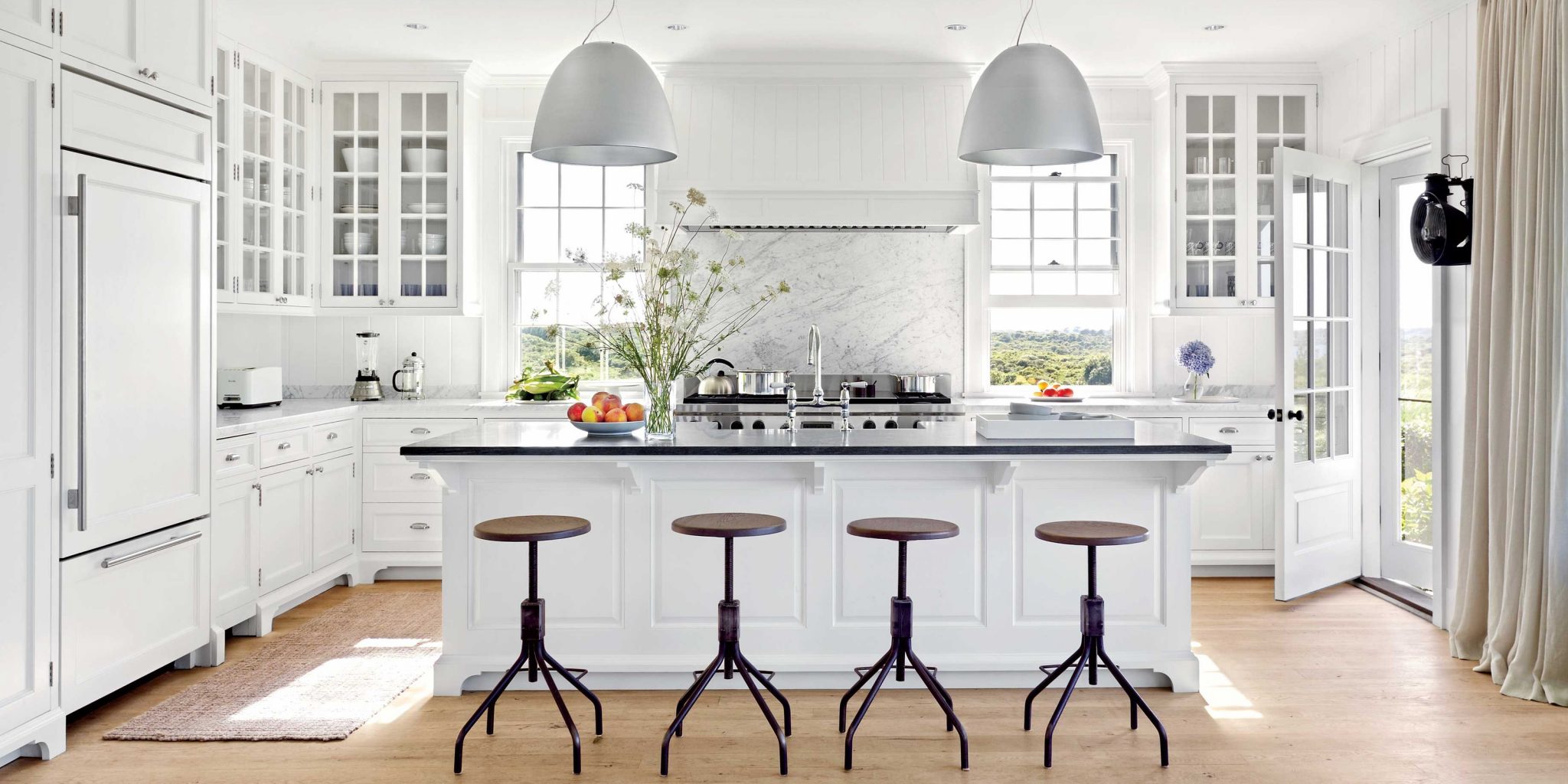
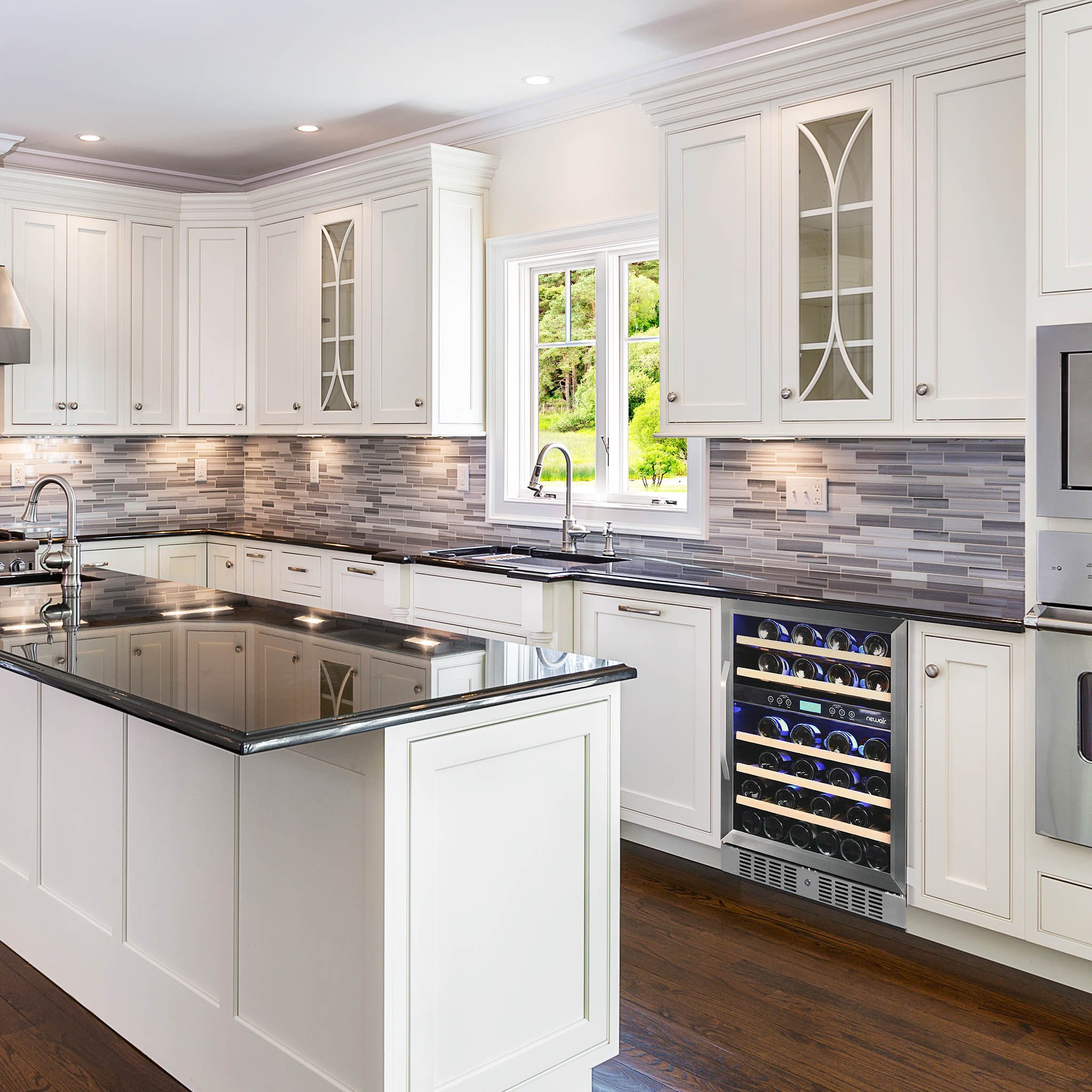
Although you may not think so, cabinets can actually make quite a statement in your kitchen. Whether they are lower cabinets or upper cabinets they can add an aesthetic appeal to the whole space.
You can use simple wood cabinets, or white cabinets to make your small kitchen appear larger. But why stop there when you can customize your kitchen cabinets to reflect your personal style.
If you’re wondering how to do that, we have a few ideas.
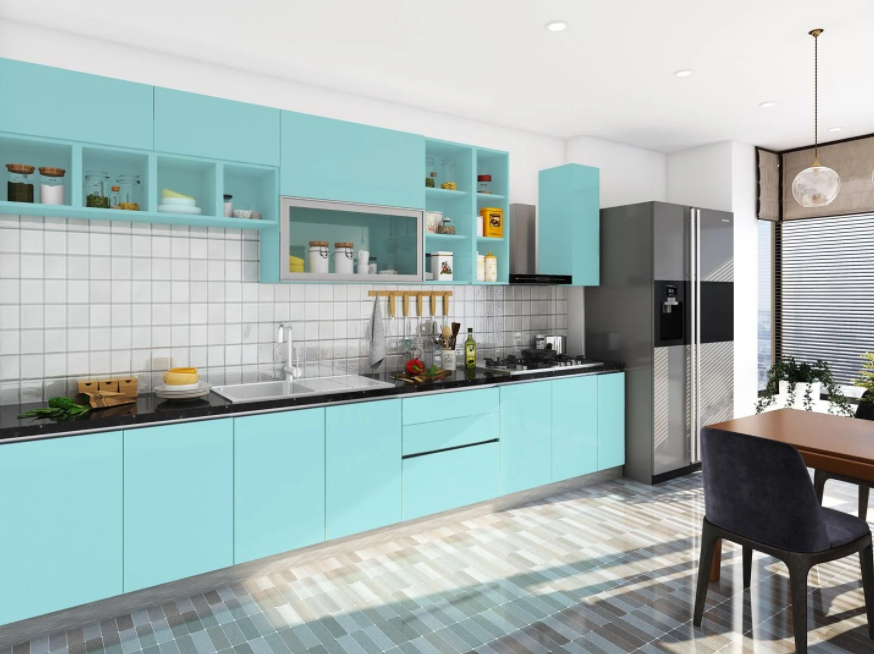
You can choose from a wide array of bold cabinetry designs with Mediterranean patterns for a contemporary kitchen. Or you can choose sleek design ideas with laminate or glass doors for a modern kitchen.
If you have a penchant for art, you can also use textured or decorated glass panels with sophisticated designs that make you feel more comfortable and serene.
You can really influence the look of your new kitchen with your imagination, with just a hint of personal touches.
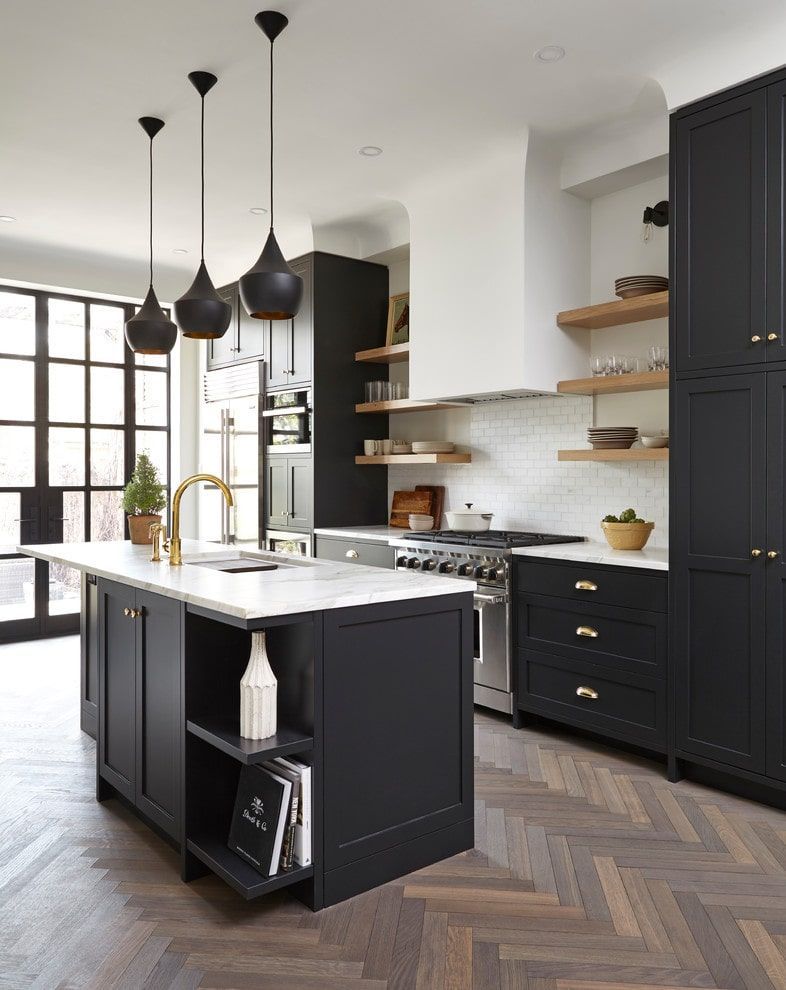
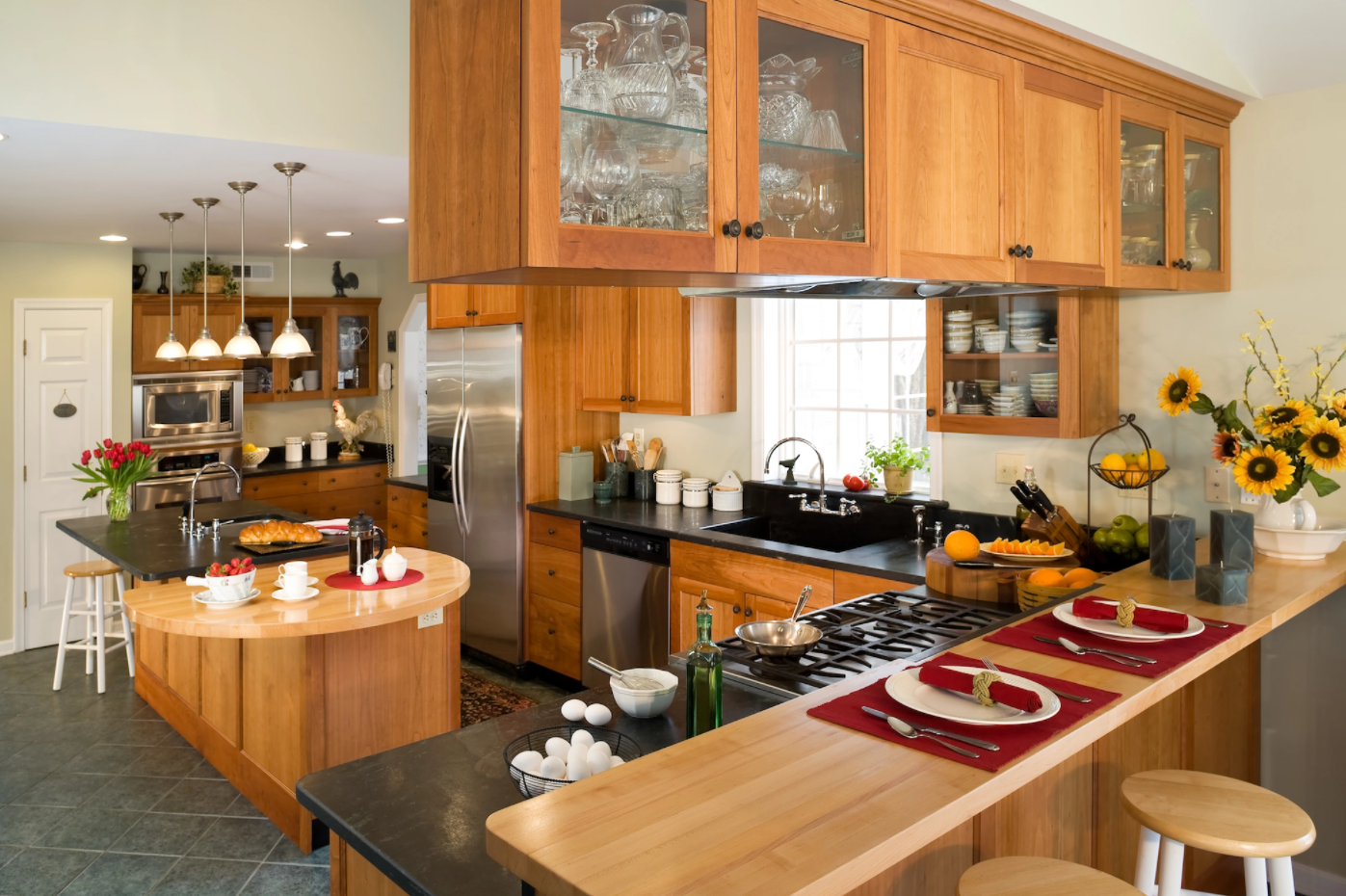
A kitchen island can make a major difference in your kitchen.
Yes, the countertops and slabs are very helpful, but a kitchen island can help you open up space further, while still creating an illusion of closed functionality.
What we mean is, you can open up the walls to your kitchen and change the floor plan. Maybe your kitchen can overlook the living room or dining area so you can cook for your friends and loved ones while still being part of their conversation.
With a kitchen island, you can create more space for seating or laying down cooked items. You can even double it into a workstation with open shelves on the sides to hold your chopping board, butcher block, cheese grater, and other smaller objects that you need for preparation before you start cooking the meal.
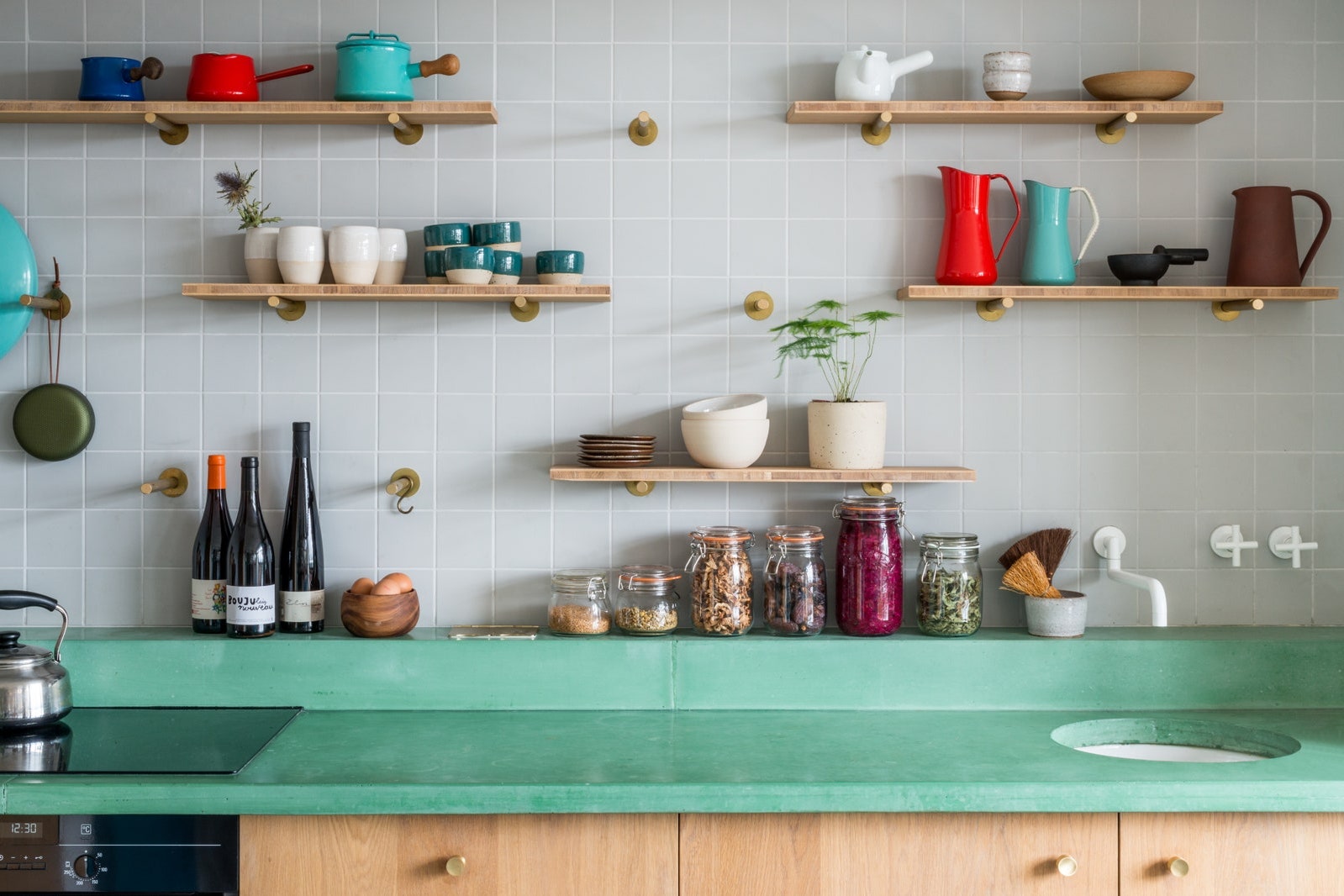
Gone are the days of open shelving and boring storage spaces. With new interior design plans and innovative kitchen remodeling ideas, you can liven up your kitchen and elevate its functionality.
If you have a large kitchen, then you can not only install befitting cabinetry and a kitchen island with storage but also implement hanging storage facilities for easier access. This works even well in a small kitchen as there is limited space for cabinetry and there might not be enough space for a kitchen island at all.
Thus hanging open shelves or innovative kitchen renovation can provide the much-needed storage spaces without compromising your idea of a sleep modern kitchen or overloading your countertops.
Also, don’t forget the pantry area. It may seem easier to store all your food in the kitchen cabinets, but it could be an unreliable option as it cannot accommodate bulk purchases, which are relatively cheaper. Therefore, use a little space to install a pantry room where you can store food for longer periods of time.
The backsplash is an inevitable part of cooking exquisite meals for your family. You can’t control the sputtering and splatters but you can prevent them from destroying your beautiful white kitchen, or the subway tile on the back wall, or even the wood panels.
A tile backsplash is ideally located in a strategic position to control the imminent moisture and grime from ruining your new kitchen.
These structures can be pre-installed or even used as temporary measures while cooking. Innovative kitchen solutions and interior designs can facilitate removable tile backsplashes.
Ideally, you can also use wax or laminate to protect the walls and the backsplash as an added measure to keep your kitchen shiny and clean.
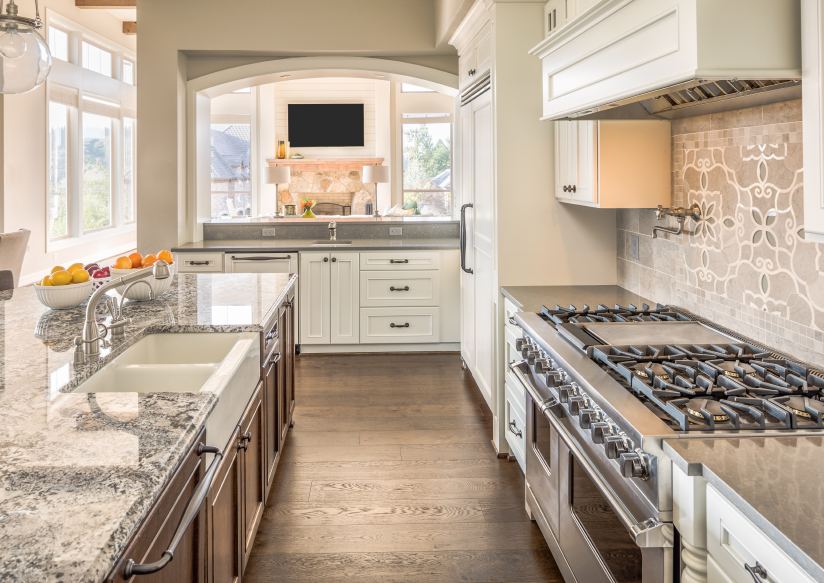
Most appliances these days implement stainless steel for its durability, hygiene, and tensile strength.
Commonly used wood-burners, steel grates, iron, and other materials that were used in the past, were definitely usable but not reliable.
Stainless steel appliances are hardy and sleek. Not only do they withstand extreme heat and cold temperatures, but they are also easier to clean. You may not always have the time to scrub those burners and spilled food, especially if they dry from the heat.
But with stainless steel appliances, a quick wipe is enough to remove the residue and stains, leaving your kitchen spotless. Not to mention, they add a modern feel to your kitchen design, besides the high-end functionality.
Metallic structures add flair to your kitchen design. Whether it is a contemporary kitchen or a modern kitchen, or even one with a rustic theme, metallic hardware fits into everything.
Sure that farmhouse sink looks appealing with its marble or granite finish. But a stainless steel metallic sink merges in with your appliances with ease. You can also add a stainless steel faucet to further increase the aesthetic value of your new kitchen.
Since the kitchen sink suffers the worst of the worst, stainless steel helps keep it protected. It won’t rust easily and the stains come off with ease, thus leaving your kitchen clean and hygienic for an extended period of time.
If you are a homeowner who is renovating the kitchen to sell your real estate, then metallic hardware is a great idea. It helps potential buyers envision their kitchen knowing that their tasks will be minimized in the space.
Most people tend to overlook the quality of materials used in cabinets, countertops, tiles, etc. because they prefer to save money on these dull objects in order to finance their interior design plans to make the kitchen look pretty.
However, this is a faulty concept.
The kitchen countertops experience the most rigorous activities when you’re cooking your meals. Therefore, they must be of good quality so as to avoid cracking, chipping, or breaking under pressure.
While marble and granite countertops may be good choices for the price, they also have their flaws of chipping, cracking, or even yielding germs. These materials are no doubt sturdy, but they are a hot zone for infestation due to the porosity and visible cracks.
Quartz countertops are a much better solution for your needs. They are extremely tough, almost unbreakable, which makes them durable solutions. Additionally, the hardy exterior makes it impossible to breed germs in the cracks thereby keeping your kitchen clean and hygienic at all times.
The kitchen is such an important part of your household. It deserves a décor worthy of its valor.
It may seem irrelevant to implement artwork and ostentatious decorative pieces in this particular space, but you can still liven it up with fixtures and lightings for added effect.
You can create a statement with some tall bar tools around the kitchen island and convert the space into a mini-bar with a shaker and some jars of assorted ingredients.
You can also use pendant lights for mood lighting for date night or some neon lights for party-time.
These décor pieces are small and almost negligent unless they are in use. They are pretty much subdued so they don’t get in the way while you move around your kitchen in a hurry. But they do add an aesthetic appeal so your kitchen looks beautiful and keeps on par with the rest of your home décor.
A kitchen makeover is a perfect opportunity to redefine the functionality of your kitchen. Everything in your kitchen should have a purpose. If it doesn’t, then it has no reason to be there.
Choose your upper cabinets wisely to accommodate the necessities such as plates, bowls, and everything else you need instantly.
You can choose pull-out or open shelves for the lower cabinets and store the unbreakable things there. Remember to ensure that you don’t store any hazardous materials as they are easily accessible to children.
Place your cooktop in a strategic location, ideally close to the dishwasher and at an appropriate distance from the sink. This way, you can make a place for the rest of your appliances in the free spaces where you can access them easily.
When there is a place for everything and everything stays in its place, your kitchen remains uncluttered and aesthetically pleasing. It also helps you maintain a smooth functionality without bumping into things while you are cooking in a hurry.
10. Don’t be shy away from adding personal touches
Do-it-yourself, or as we popularly refer to it as DIY, is all the rage right now.
An interior designer can help you reorganize the floor plan of your kitchen and renovate it for optimum functionality. However, you can still add some personal touches to make the space more homely and tailored to you.
You can ask them to install pieces of furniture or woodwork that you may have created or designed, such as a china cabinet or bar stools. You can also piece together furnishings from IKEA and paint them yourself with customized designs. Or you can even hang photo frames with pictures of your loved ones in the kitchen because, why not?
These personalized features actually add character to your kitchen, making it feel more cozy and desirable. Unless, of course, you plan on flipping the piece of real estate, in which case implementing personal touches is needless.
Still, you can personalize a little to add style and design to the property with subtle pieces of furniture like the bar stools and a range hood that appeals to your potential buyers.
Kitchen renovation is an opportunity to instill new memories and create a personalized space for your family. It is the only room in the house where your friends and loved ones can come together to laugh and share stories while enjoying a meal you make for them with love and care.
You can add a small table and create a breakfast nook for your family to convene and start your day with them. You can use an open-planned kitchen as a link to catch up with your children while they finish their homework or play in the living room.
The kitchen is a space for bonding and celebrations and you can design it to yield a lot more than just cooking meals.
We hope this article helps you create fantabulous design ideas for your kitchen remodel and you love your new kitchen more than the old, dull one. Try rosadeiventicattery software to remodel your kitchen and turn your kitchen into a new trend.
If the doors on your cabinets are old and ugly, take them off and create an open shelving option for the room. This is also a good opportunity to update the hardware on your drawers and cabinets. What’s worn down in the kitchen can usually be painted or refinished to give it some modern appeal.
2) Add more storage.
If you’ve got more stuff than space, you have two options. The first is to declutter, which will free up space. The second is to add more storage options — including hanging racks, open shelves and cabinet organizers — to store the essentials.
3) Change out lighting.
Depending on the age of your kitchen, you most likely have pendant lighting or fluorescent overhead fixtures. To bring your kitchen into the modern age, consider replacing some of those fixtures with recessed alternatives or LED/CFL lighting. The latter is cheap and easy to install, and it pays back on your investment. Recessed lighting can be expensive; depending on your electrical wiring, installation may require an electrician.
4) Upgrade your faucet.
Do you have an old-fashioned faucet? You know, the kind that delivers water at lightning speed? If so, you’re probably getting a higher water bill than necessary. Think about energy-efficient alternatives like low-flow faucets and adjustable, restaurant-style varieties for cooks.
5) Hide your counters.
Old countertops can suffer from a lot of scratches, dents and burn marks. If you have worn countertops but don’t have the budget to replace them, find a creative way to hide their blemishes. Add an element like a cutting board, hide them under standing appliances, or apply a fresh coat of paint.
6) Paint your cabinets.
If you have a small budget and a distaste for the open shelving look, think about painting or refinishing your cabinets. It’s less expensive than buying new ones. Plus, it refreshes the appearance of your entire kitchen. Don’t paint them any weird colors though, and avoid especially bright hues at all costs.
7) Add a backsplash.
Backsplashes can be customized based on the color scheme of your kitchen. It’s as easy as buying tiles at a local home improvement store and using caulk and grout to install them in the design or style you want. It’s a quick do-it-yourself project that can significantly improve the appeal of your kitchen.
It’s high time the myth that cats can’t follow commands was busted. Karen Cornish explains that your feline friend is quite willing to learn, and asks an expert for the steps you should follow. Plus, we give you step-by-step instructions for tricks to try out with your kitten.
Can you train your cat?
There are cats all over the world that will come when called, sit when asked and can even be taught to give their owners a high-five, but for some reason the perception of cats as ‘un-trainable’ persists. The good news is that most cats – even the most independent – are easy to communicate with and more than capable of learning new skills. All it takes is the right incentive.
‘Unfortunately, our feline friends are often wrongly viewed as disobedient and stubborn – when, in fact, they are supremely intelligent and extremely trainable,’ says Kim Houston, one of the UK’s leading cat behaviorists. ‘However, the key to training them lies in understanding what motivates them, and using positive, reward-based techniques.’
Training not only helps to keep your cat’s mind as agile as his or her body, but can also help to strengthen your bond. And in the case of recall – or coming on command – it might even help to draw your cat away from potentially dangerous situations.
A dog-on approach
Anna Webb, the co-host of BBC Radio London’s The Barking Hour, who is also a dog trainer and an animal nutritionist, began cat training by accident when a stray kitten moved into her home.
The tiny black-and-white cat appeared five years ago in the garden of Anna’s London flat. Despite first being soundly barked at by her Bull Terrier, Molly, the kitten was determined to stay.
‘After three days he was still in the garden,’ Anna recalls. ‘He started watching us through the window and then began tapping the glass to get our attention!’ Anna had never owned a cat before but, when attempts to find the kitten’s owner were unsuccessful, she christened him Gremlin and he moved in for good, soon becoming the best of friends with Molly.
‘I’ve always had dogs and had no idea what to do with a cat,’ Anna admits. ‘So I treated Gremlin like a dog, as that was all I knew – and that meant training him. He started watching my sessions with Molly and quickly learnt how she earns her treats. Molly always works for her food, and that’s how she, and Gremlin, became trained to such a high standard.’
Gremlin began mimicking Molly and was soon taking treats from Anna’s hand, too. In no time he had mastered a reliable recall, would sit on command and even learnt to give great high-fives. Then, when they later moved to the Buckinghamshire countryside, Gremlin also began joining Anna and Molly on their walks – much to the local villagers’ amusement.
‘I think a lot of cat owners have this idea that their moggie won’t respond to commands, and it prevents them from trying any training techniques,’ Anna says. ‘I didn’t have any preconceptions, and just approached Gremlin as I would any other pet. Happily, his response has been astounding.’
Click and treat
So how do you train your own cat to the same level? Kim recommends clicker training as the most effective way to teach cats. A clicker is a small plastic device that makes a distinct sound. You can put it into action by ‘clicking’ it every time your cat performs the behaviour you want (for example, coming when called) and then giving a reward.
‘Your cat learns to associate the sound of the clicker with a treat,’ Kim explains. ‘Cats’ natural instincts compel them to hunt – to work for their food – and they’re generally food-motivated. So always make sure the click is followed by an immediate edible reward. For the best chance of success, it’s important to find extra-special treats, such as small pieces of cooked chicken.’ Keep in mind that when rewarding your cat in this way, you’ll need to monitor her overall intake of calories.
‘You’ll find that clicker training is fun and stimulating for your cat and, helpfully, it can also improve any less-welcome behaviours,’ Kim says. ‘I’ve used the same technique to teach cats to enter their travel baskets with ease, where previously they were too frightened or reluctant to even approach the carrier.’
Gain from training
Teaching a cat to sit or give a paw is simply expanding their natural abilities, and most cats will be happy to do this with the right motivation. However, it’s key that you approach training sessions in the right way. Never punish your cat for getting something wrong, or force them to do something while training. Keep your sessions short: no longer than five minutes, and always finish on a positive note by making sure your cat is still enjoying the activity and hasn’t lost interest or become irritated, before you end it.
Another good tip from Kim is to choose times for training when your cat isn’t tired or distracted, but is a little hungry. That way, treats will seem all the more appealing.
As a bonus, the time you spend with your cat while training is a brilliant way of strengthening your bond together. Investing time and effort in these sessions is well worth the reward; you’ll not only be stimulating your cat’s mind and enriching his or her life, but you’ll also actively be having fun together with your pet. And that may really be something worth high-fiving about.
THREE TRICKS TO TRY WITH YOUR KITTEN
1. Fetch
To teach your cat to fetch, rub some of the water from a can of tuna on her favourite toy and throw it just out of reach. This will engage their natural hunting skills.
If your cat walks to the toy or picks it up, ‘click’ and give a treat. Be patient – it may take a few sessions for your cat to get the idea.
If your cat brings the toy towards you, click and treat. Your cat will then release the toy to eat the treat. Once he or she is reliably retrieving the toy, you can add the cue word ‘fetch’ each time you throw it.
2. Sit
Sit on the floor with a clicker in one hand (out of your cat’s sight) and a treat in the other. Then call your cat to you.
Hold the treat slightly above your cat’s head. As a cat’s eyes follow the treat, they’ll automatically take a sitting position. Then ‘click’ and reward.
As your cat becomes more proficient, reward him or her only for a very good sitting position. When your pet is reliably sitting nine times out of 10, start adding the cue word ‘sit’.
3. High-five
Call your cat to you, encouraging recall by using a high-value reward such as a piece of chicken.
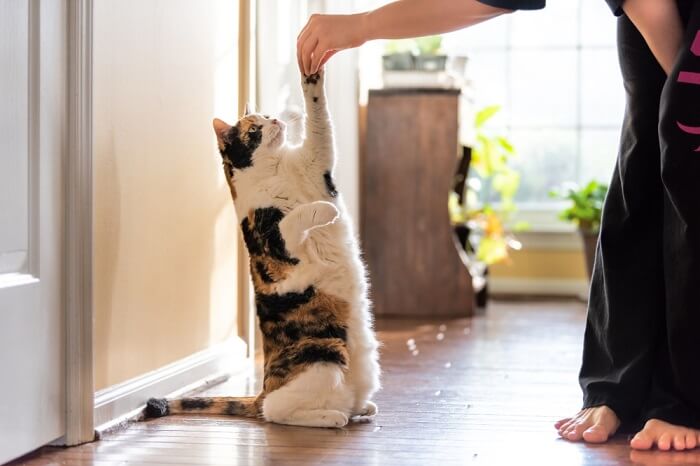
You can then start to engage your cat’s natural ‘paw’ action by getting him or her to reach up for the treat. Hold the piece of chicken above your cat’s nose, and wait for them to reach up with a paw. When they do so, add a command word like ‘tap’, then praise and reward.
Practise this daily, as a fun game with your cat, and you’ll soon be receiving high-fives on command.
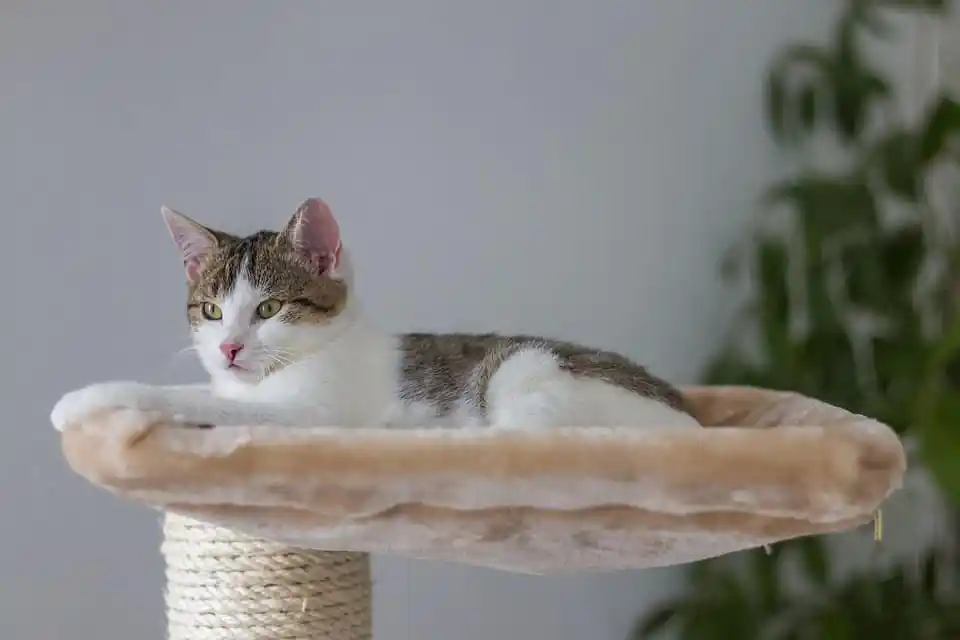
Perching isn’t just for the birds. Have you ever noticed how your kitty loves to climb up cat trees? Let’s look at why cats love an indoor tree with a view!
Indoor kitties who don’t have access to real trees have man-made “cat trees” that they love to climb up and spend time on. Perched high atop their cat tree, they can nap, play, and relax as they watch everything that’s going on.
But why do so many cats enjoy being in high places around your home, looking down upon their domain and surveying everything beneath them? Is it so they can feel more powerful, or is there more to it?
Cats Use Height for Safety
Cats who live outside may choose to climb up trees in order to be able to observe what’s going on around them from a safe place. They may also use a tree to target prey or get away from predators. And your indoor kitty has these same instincts.
By climbing high up onto her cat tree, your kitty can perch and check out her surroundings, and she can also get away from other cats in the house. In fact, a cat tree might be a good way to reduce feline conflicts in your home because it gives them a place to escape to.
Shy Felines Feel More Confident
Kitties who are timid could benefit from a cat tree, as they can climb high to check out their environment and easily see what’s going on around them without fear.
If your cat often hides and avoids coming out into the open, setting up a tree with a high perch or hideaway could give her the ideal place to feel secure. You might even find that your cat has no problem spending time with the family when she’s in her cat tree, so she may be less likely to hide under your bed.
More Territory for Your Kitty
The horizontal territory is important to your cat, but a vertical tree will provide convenient and desirable vertical territory. This will serve to increase her living area and give her more space.
If you have more than one cat but they don’t necessarily like to spend time together in close spaces, a cat tree could be a great solution. A large tree with multiple levels, hideaways, and perches can easily be shared while giving each cat the space she prefers.
Enrichment for a Happy Feline
Put simply, felines love cat trees because they’re a lot of fun to climb. Kittens and adults like using their bodies to balance and reach high places, and it’s a great form of exercise.
If you purchase a cat tree with scratching posts built-in, your cat can scratch away and may not feel the need to go after your furniture. And if it has hideaways, your pet will gladly take advantage of the additional privacy whenever she wants some quiet time.
As February is Responsible Pet Owners Month, now is a great time to take stock of ourselves as pet parents or as prospective pet parents. If you are currently caring for a pet, it’s essential to look introspectively to determine whether you’re providing the best quality of care to your furry, scaley, or feathered friend.
Remember you have a responsibility to care for your pet, but it’s also a privilege and should be treated as such. Here are our thoughts on the top 10 responsibilities of a pet owner:
Give Them Regular Exercise Some pets will need more exercise than others. Dogs often require plenty of time outdoors from going on walks to playing in the park to burn off excess energy. For cats, these furry friends prefer to get their daily exercise by chasing and swatting at cat toys.
Schedule Annual Check-Ups Taking your beloved friend to the vet for an annual wellness visit is critical to keep them in good health. A yearly checkup also provides the opportunity to spot any medical issues before they become significant problems. A veterinary professional will thoroughly examine your pet to ensure that they are feeling their absolute best. Annual vet visits are also essential to get regular vaccines and various medications such as flea and heartworm preventatives.
Socialize Your Pet
Socialization is critical for a happy and healthy furry friend. Many animals are accustomed to living in packs. Meeting and getting to know others can boost your pet’s confidence and can help ease or even eliminate any nervous or anxious tendencies.
Feed Them Properly A proper, healthy diet is vital to providing your pet with the best level of care. The type of animal you have, along with dozens of other factors, can drastically impact the type of food your pet should be consuming. These other factors include age, weight, allergies, and exercise levels. If you are unsure of what kind of food is best for your beloved friend, be sure to consult with your veterinarian.
Keep Them Safe Being a responsible pet parent also means providing the best level of safety for your friend. This means taking extra precautions in your home, outside of your home, as well as implementing additional safeguards in case your pet runs away from home. Inside your house, it’s essential to pet-proof any room that they can roam around in. This can mean ensuring that any personal medications are put safely away out of reach, and harmful household products are tucked away. Pet tags and microchips are vital in case your pet ever escapes your home or yard and gets lost. With proper and current identification, your furry friend has an increased chance of reunification with their family!
Dental Health
Have your furry friend’s teeth professionally cleaned regularly to help maintain their good health. It Practicing good dental hygiene habits at home is also just as important! Cats and dogs need to have their teeth brushed regularly with animal-friendly toothpaste. It may not be a pleasant feat for either you or your pet, but it’s necessary to prevent dental disease. If you need more tips on maintaining your pet’s dental health, read our blog on proper dental care techniques for your pet.
Proper Training Training builds trust and mutual respect and can be an enjoyable bonding experience for both you and your beloved friend. Dogs, especially puppies, thrive by being trained and learning new tricks.
Pick Up After Your Pet Being a responsible pet owner means also being respectful to those around you. Whenever your animal goes outside and leaves little presents, whether on a walk or in the backyard, be sure to pick up their “gifts” in a timely matter. Not only are they unpleasant to see or worse, step on, they also carry germs that could harm other individuals and animals around you.
Spay or Neuter Unfortunately, there are more animals in shelters than loving homes that are willing and able to take them in. Spaying or neutering your pet can help reduce the number of animals that end up in shelters or euthanized and has many health benefits that also can help pets live happy and healthy lives!
Give Them Plenty of Love When you take a pet into your home, you’re gaining an extra member of the family. These animals have endless and steadfast love to give you while asking for little in return. It’s our responsibility to make sure we honor and match their love every day by caring for them, providing for them, and giving them plenty of TLC and snuggles!
While these are just 10 responsibilities of a pet owner, the list could go on forever. Being a pet parent is a big commitment, but it is always worth it. We know – we’ve made caring for pets our career! Contact us for more information.
Every editorial product is independently selected, though we may be compensated or receive an affiliate commission if you buy something through our links. Ratings and prices are accurate and items are in stock as of time of publication.
MINT IMAGES/GETTY IMAGES
First things first: Never punish
Cats simply won’t learn from what some owners would consider “discipline.” Worse yet, “punishing” your cat can induce stress, leading to behavioral and health problems—not something you want to deal with in cat training. Remember that patience and positive reinforcement are essential if you’re learning how to train a cat.
ISTOCK/THEMACX
Next: Get a clicker—and treats
Commonly used as training tools for a wide variety of animals, a clicker will set you back just a couple bucks and help you give positive reinforcement when you’re learning how to train a cat. (You can also use a regular pen with a clicky button—the important thing is to have a distinct noise you can make instantly.) Most cat training involves offering your cat a treat it likes following a click to mark the desired behavior. These tactics also work when it comes to giving your cat a pill. Without the clicker, your cat may be confused about why it’s being rewarded: If it obeys a command, hears the click, and then gets a treat, it’s more likely to catch on. To keep your cat from scratching you, follow these tips.
NILS JACOBI/GETTY IMAGES
How to train a cat to: Come on command
Cats can learn to respond to a vocal cue and run your way. (The ASPCA notes that you might use this skill to bring your cat in should it dash out unexpectedly.) This step of how to train a cat starts by making a distinct noise before feeding—before you open a bag or can—like vocally call your cat, or click your tongue. Your pet will learn to associate that noise with something positive (food) and will eventually head to you when it hears it. Then, encourage this behavior outside of normal feeding times. Start from short distances. Make the noise, use your clicker when your cat comes, and then reward your pet with the treat. Over time, call the cat from longer distances. The ASPCA recommends up to two “cat training sessions” a day, for five minutes or less, during which you should repeat the behavior up to 20 times. Here’s how to tell how smart your cat is, by the way.
ISTOCK/SEREGRAFF
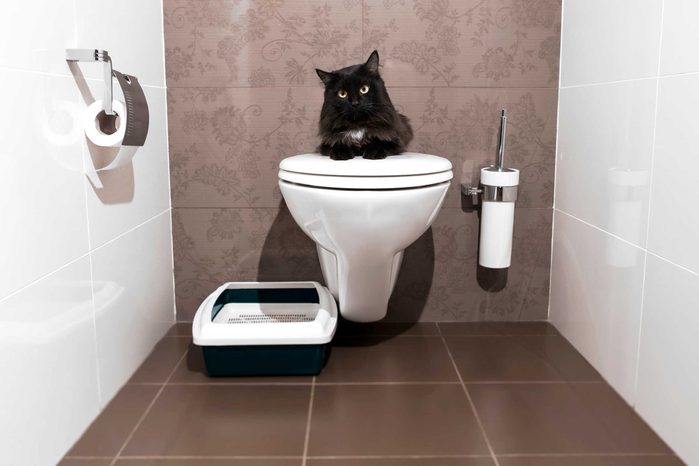
How to train a cat to: Use a toilet
Training a cat to use the toilet definitely takes some work, but think of the benefits: You’ll save on litter and enjoy a cleaner home. First, place a litter box adjacent to your toilet. Then gradually bring it closer and closer to the top of seat—you might need a stool to make the process easier on the cat. Once your pet is accustomed to using a litter box on top of the toilet, transition to a special litter box that fits within the toilet itself. (Buy flushable litter, and expect spillover.) Gradually use less and less litter to get your cat accustomed to doing its business without it, and then, remove the litter box entirely. If you hate cleaning up cat poo, try one of these self-cleaning litter boxes that will clean the mess up for you.
MICHELLEGIBSON/GETTY IMAGES
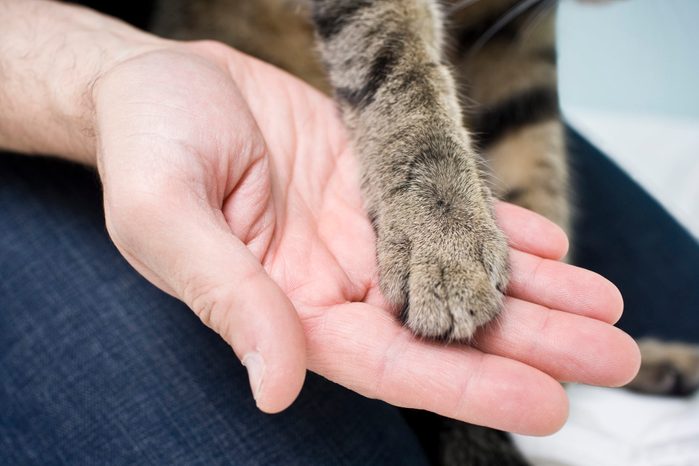
How to train a cat to: Shake hands
This cat training is simpler than you might expect: Get a treat ready, then align yourself to the same level as your cat. Tap your cat’s paw while saying “shake,” and use your clicker when it moves its paw. Repeat training until your cat offers its paw in response to the “shake” command without tapping. Like the “come on command” trick, this can take a few training sessions over the course of a couple of days. Once this skill is mastered, your cat will be well-behaved and ready to star in some internet cat memes.
ISTOCK/SUEMACK
How to train a cat to: Beg
This is similar to the “shake hands” trick. Hold a treat just above your cat’s head and give a “beg” command. Your pet should stand on its hind legs and reach up for the snack; click to mark the behavior and then give your cat its treat. Practice until your cat begs on command without needing a treat dangled overhead. If you really want to learn how to train a cat well, make sure you always reward your pet—but never feed your cat milk.
SABINA TORRES/GETTY IMAGES
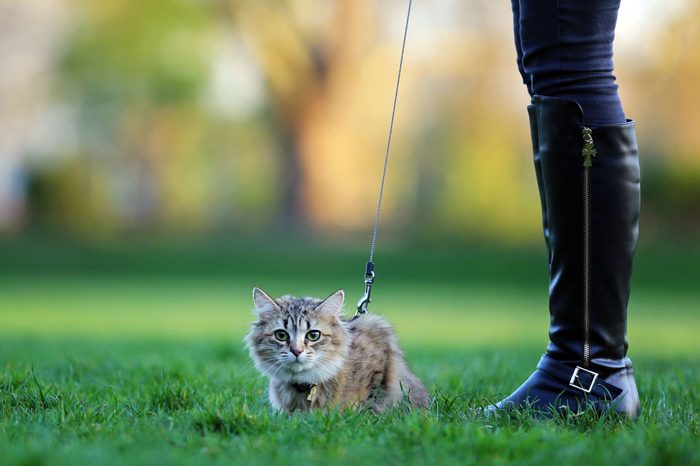
How to train a cat to: Walk on a leash
Get a harness with a leash that attaches at the cat’s back, not its neck. The ASPCA recommends that before putting it on you leave it out for a few days in areas where your cat goes, like its feeding area or favorite sleeping spot, so that the animal is accustomed to the sight of it. Next, you’ll transition to draping the harness over the cat (without fully attaching it) when giving it a treat. You’ll eventually move to securing the harness around the cat without the leash—leave it on your cat for a couple of minutes at first, then increase the time over the course of days. Once your pet is comfortable with the harness, attach the leash to it, and let your cat wander freely inside with it. After a few days, start holding the leash during training. Then: Ease into the great outdoors! Make sure you let your cat take its time exploring a new area, and start somewhere quiet. Now that you know how to train your cat properly, make sure you don’t make these common cat owner mistakes.
Kittens, like children, must be taught how to live in your home, and it’s up to you to set the rules. Once you’ve done so, you’ll need to provide your kitten with the means to follow them. For example, if you want your kitten to sleep in its own bed, you’ll have to purchase, or make, an appropriate sleeping place for it.
You’ll need to teach your kitten to follow your rules. As with any pet, teaching involves combining rewards for good behavior and consequences for undesirable behavior. Patience is key when training a kitten.
Why Do Kittens Misbehave?
Kittens are like babies. The are constantly learning about the world around them and what behavior is acceptable and what isn’t through positive and negative reinforcement. When your kitten misbehaves, it’s not trying to be “bad.” It’s simply learning how to behave.
Most kittens are happy to use a litter box and scratching post. Sometimes kittens are unwilling or unable to do one or the other. Occasionally, they start using the litter box and scratching post properly and then suddenly stop doing so.
Much of kitten or cat discipline involves troubleshooting to discover the reason for the undesirable behavior and then correcting the situations that caused it.1
Scratching and Clawing
Kittens and cats should keep their claws and they need to scratch to keep their claws healthy. The trick is to redirect them from furniture and other objects to more appropriate surfaces for them to sharpen their claws. The key is teaching the kitten to avoid destructive scratching.
Litter Box Training
Most kittens readily adapt to a litter box, especially if they were raised with a mother cat. Otherwise, it’s usually easy to train a kitten to use the box. Make sure the box is easily accessible, filled with good-quality litter, and cleaned at least once a day. Immediately after a meal, place your kitten in the box. You may have to demonstrate by guiding its paw for a few scratches in the litter, but the kitty will quickly get the idea. Chances are, under proper circumstances, your kitten will not make mistakes and learn to use the box regularly. In the rare event your kitten doesn’t take to the box, poor litter box maintenance may be the cause.
The Spruce / Phoebe Cheong
Chewing and Biting
Like human babies, kittens examine everything with their mouths, especially when they’re teething. As with toddlers, it’s important to keep harmful items out of kittens’ reach. Kittens love to “play fight,” and if other cats aren’t around to accommodate them, they’ll settle for the nearest human hand or ankle, especially if you’ve encouraged this form of play early on.2 They also might chew on houseplants if they are in reach.
The Spruce / Phoebe Cheong
Jumping
Kittens love heights, and many are expert jumpers. They can hurl themselves upward with little notice and seemingly little effort. Problems occur when they frequently jump on a tabletop or a countertop that you prefer they avoided.
Nighttime Behavior
Cats and especially kittens can exhibit overactive behavior at night. Most cats will be awake and active at night, but the key is teaching them to leave you alone and how to go back to sleep.
Attention Seeking Disobedience
Some kittens are especially rambunctious. While kittens are expected to be curious and playful, some can escalate these traits to bad behavior. They are likely seeking attention from their owners or are bored and under-stimulated (or both).3
How to Stop Bad Behavior
There are numerous humane effective techniques for expressing your displeasure with a cat. It’s always wise to check with your vet to make sure there isn’t a health issue causing the bad behavior. One simple option is to keep a spray bottle filled with water handy. This can help when you see bad behavior in action. Give your kitten a little squirt to discourage the behavior.
Provide Scratching Posts
To stop your cat scratching furniture or other places it doesn’t belong, provide desirable scratching surfaces. Scratching posts vary in price and style and provide a selection of scratching surfaces for your kitten. One popular and inexpensive option is a corrugated cardboard model. Adding a small amount of catnip to the scratch post can make it more attractive for your cat. For a variety of healthy scratching options, offer as many scratchers as you can afford and/or have room for.
The Spruce / Phoebe Cheong
Manage Your Kitten’s Claws
While harmful to your kitten’s health to have it declawed, it’s a good idea to trim those needle-sharp claws from time to time.4 Not only will this make destructive scratching less of an issue, but it will also lessen the chance that you’ll be scratched by an energetic feline playmate. Another option is to use plastic nail caps. They are easy to apply and do not interfere with the normal extension and retraction of your cat’s claws.
Keep the Litter Box Clean
Because litter box avoidance is a major cause of surrenders of cats to shelters,5 it’s important to provide your cat with an immaculately clean litter box. Another option is to spray your kitten’s litter box with an attractive scent, such as Cat Attract, which is sold at pet stores. Provide multiple boxes for your cat. You also may need to try several brands and types of litter. Some cats avoid covered litter boxes, while others prefer the privacy they provide. Be sure there are no underlying health issues, such as a urinary tract infection, that may be causing your kitten to miss the litter box. Your veterinarian should be able to easily rule out this and other illnesses with a simple urinalysis.
Avoid Play Fighting
While play fighting with your kitten can be fun, it can escalate. Kittens learn to inhibit the severity of biting and scratching from their litter-mates and mother.6 If they bite or scratch too hard, they will be reprimanded with a growl or hiss and an equally rough swat or bite right back. If your kitten was separated from its family too early, it may not have learned proper play fighting behavior. Consider wearing gloves, using toys instead of hands, or simply walking away if your kitten gets too rough. This will help the cat learn to avoid biting or scratching, even in play. Remove tempting plants or put them in an area that is off-limits to your kitten.
Set Boundaries for Jumping
Ideally, you’ll have rules in mind for your kitten before it starts leaping. Which counters, couches, and shelves are fair game? Which are off-limits? A simple training method involves praising and petting your kitten when it leaps onto acceptable surfaces while scolding and removing it from unacceptable surfaces. The spray bottle can help train your kitten to stay off specific surfaces. Double-sided sticky tape can discourage some cats from jumping as they dislike the feel of the tape on their paws. Providing alternative climbing surfaces, such as a cat tree, may also help reduce the chance of your cat jumping on your countertops.
Daytime Activity
Plan on some interactive play sessions with your kitten in the evening. Keep playing until your kitten seems to tire. Feed them a bigger meal before bedtime; most cats sleep after eating. Keep your cat busy during the day with playful and challenging toys or puzzles.
The Spruce / Phoebe Cheong
Stopping Attention Seeking Disobedience
Always play with your kitten every day. Some extra quality time may be helpful in stopping the bad behavior. Disobedient cats may also be bored, so provide stimulation and exercise. Finally, praise the cat when it is being good. Use kind words, gentle petting, and treats to reinforce good behavior.
Keep training sessions short. Focus on one command at a time, and once mastered, move on to the next. Practice the commands in lots of different places around the house so that she gets used to responding to you in all sorts of situations. You can use the clicker technique to help with other aspects of your kitten’s training, such as encouraging her to stand still for grooming and getting her used to traveling by car.
We all know that dogs can be taught to obey basic commands, but what about your cat? Cats are more independent and less social than dogs, so they don’t desire praise in the same way dogs do. But as you already know, cats are highly intelligent animals, and they have the ability to learn a variety of behaviors and tricks.
It’s important to begin training your kitten as soon as possible so she’ll be able to grow up to learn and respect the boundaries of your home. You don’t want your cat to be digging in the trash, tearing up your furniture or constantly jumping up on your counter. Kitten obedience training will help keep her mind and body active, teach her good social skills and behaviors, and strengthen her bond with you.When training your kitten, it is essential to have plenty of toys at her disposal. If she starts doing something she’s not supposed to, redirect her attention to the toys. Provide them to her as a reward for avoiding bad behaviors. Having toys to play with will keep your kitten mentally and physically occupied. You can also sprinkle them with catnip to further entice her to play.
Common Cat Behavioral Problems
There are several common cat behaviors that can be addressed through obedience training, saving you a world of headaches and keeping you in tune with your cat’s needs.
Compulsive behaviors, such as over-grooming or excessively scratching or biting
How to Train a Cat
If you’re lucky, your cat will be willing and eager to learn your commands. However, there’s a chance she’ll ignore you. Every cat is different, and training can be extremely trying on your patience. Make sure to carve out small amounts of time each day to spend working with her. If you have other cats in your home, remember that they each have different personalities and have to be taught differently.
Be aware that cats do not understand or respond well to punishment. Punishment will often cause your cat to run away and hide from you, and can lead to stress, which can also breed behavioral and health problems. Encouraging good behavior with a reward is much more effective, and that reward can come in the form of praise and/or a tasty treat. This reward-based training teaches your cat to associate good behavior with positive results.
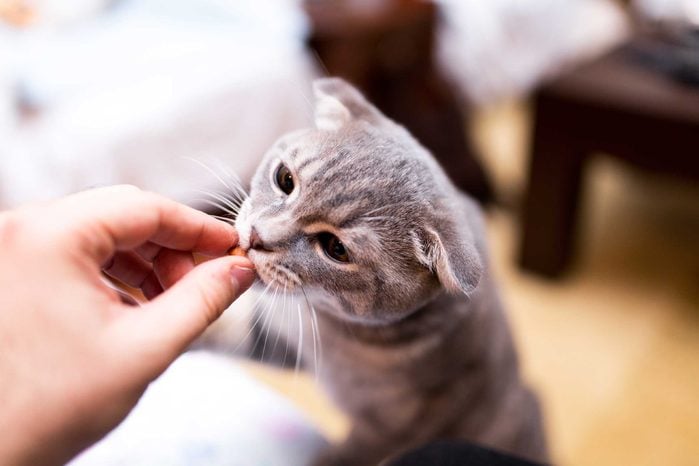
One of the most common cat training techniques is clicker training, which is another form of reward-based training. For instance, if you’d like to teach your cat to sit, click the clicker as soon as she sits down and give her a small treat. Eventually, with enough repetition, she will learn to associate the click with the behavior and the reward.
Keep training sessions short—cats have short attention spans and can get bored fast. Focus on one command at a time and move on to the next when she’s mastered the first. Practice the commands in different areas of the house so that she gets used to responding to you in different situations.
How to Address Bad Behavior in Your Cat
There could be several reasons why your cat is acting out—she might be stressed over a new change in your home, she might have a medical condition or she simply may not understand that her behavior is wrong. While you may think that your cat is misbehaving because she’s upset or spiteful toward you, this is usually not the case.
Redirecting the behavior instead of punishing her for it is more likely to put her back on track. By punishing her, she may feel threatened by you, which can ultimately lead to even more stress and bad habits. If she is fearful of you, this will also damage your bond with one another. However, she should be made aware of unwanted behaviors. One way of doing this is by connecting bad behaviors with something unpleasant. For instance, cats are averse to certain scents like perfume and citrus. You can soak cotton balls in these scents to keep your cat away from places you don’t want her to go. Always remember to praise your cat for good behaviors as well. Give her a treat for a job well done, and she will learn to associate her actions with her rewards.















:max_bytes(150000):strip_icc():format(webp)/training-a-new-kitten-555146-hero-49741902f7104d969601d8f320e350da.jpg)
:max_bytes(150000):strip_icc():format(webp)/training-a-new-kitten-555146-03-e7f1ee9d06054795bea33ea8d693b8a1.jpg)
:max_bytes(150000):strip_icc():format(webp)/training-a-new-kitten-555146-04-db69d04e4d594aa0ae6a6069c112a8d5.jpg)
:max_bytes(150000):strip_icc():format(webp)/training-a-new-kitten-555146-09-c2518352567c41cf8c900c1ef14b01d8.jpg)
:max_bytes(150000):strip_icc():format(webp)/training-a-new-kitten-555146-14-dd3cdf9220484131af93db6ff3fb022d.jpg)